The World Health Organization (WHO) has urged governments to raise taxes on sugary drinks, alcohol and tobacco, warning that low prices are fuelling preventable diseases and placing growing strain on health systems.
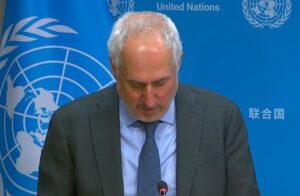
The call came during a global WHO press briefing marking the launch of new reports on the use of health taxes, which the agency described as one of the most effective tools available to governments.
WHO officials said that in many countries, taxes on unhealthy products remain too low to discourage consumption, making sugary drinks and alcohol increasingly affordable.
Examples were cited from several countries where higher taxes have been introduced. In the Philippines, a major reform of tobacco and alcohol taxes led to a sharp rise in government revenue, which was later used to expand health insurance coverage. Lithuania was also highlighted as a country where higher alcohol taxes were followed by improved public health indicators.
The organisation also pointed to the United Kingdom’s levy on sugary drinks, introduced in 2018, which it said had encouraged manufacturers to reduce sugar content while generating additional public revenue.
Several countries, including Malaysia, Sri Lanka, Vietnam and India, have recently expanded health taxes, while Saudi Arabia has introduced a tiered tax system based on sugar content.
WHO officials rejected claims that such taxes unfairly burden poorer communities, arguing that lower-income groups are more responsive to price changes and stand to benefit most from reduced consumption and better health outcomes.
Cervical cancer elimination a key priority
The briefing also included an update on WHO’s global efforts to eliminate cervical cancer, which the agency described as one of the most preventable forms of cancer.
WHO reiterated its 90-70-90 strategy, which aims to vaccinate 90% of girls against the human papillomavirus (HPV), screen 70% of women, and treat 90% of those diagnosed with cervical disease.
Officials said progress had accelerated since 2018, with dozens of countries introducing HPV vaccination programmes and more than 160 countries now including the vaccine in their national immunisation schedules.
WHO cited examples such as Australia, which has reported extremely low rates of cervical cancer among young women, and Rwanda, which is on track to meet elimination targets earlier than many high-income countries.
The agency said eliminating cervical cancer was “achievable” if countries invested in prevention, screening and treatment.
Funding pressures and US withdrawal
WHO also addressed questions about its funding and the United States’ stated intention to withdraw from the organisation.
Officials clarified that WHO’s constitution does not contain a general withdrawal clause, though a separate agreement allows the US to leave subject to a one-year notice period and the settlement of outstanding financial obligations.
The issue is expected to be discussed by WHO’s Executive Board and the World Health Assembly later this year.
Director-General Dr Tedros Adhanom Ghebreyesus said the organisation had begun a restructuring process to adapt to financial pressures, including a reduction in management positions and overall staffing levels.
He stressed that WHO remained operational and that increased contributions from member states had helped stabilise the organisation’s budget.
Dr Tedros warned that global health challenges could not be addressed by countries acting alone, underlining the need for international cooperation.
Key context
WHO’s appeal forms part of its broader “3 by 35” initiative, which encourages countries to raise the prices of tobacco, alcohol and sugary drinks by at least 50% by 2035 through taxation.
The organisation says such measures can reduce consumption of harmful products while generating revenue that can be reinvested in healthcare and social protection.