The United Nations Security Council convened an emergency meeting on Thursday (January 15) to discuss the escalating unrest in Iran, as deadly protests continue across the country.
Amid warnings of possible military intervention by US President Donald Trump, the meeting of the 15-member Council was held at the request of the United States. The discussion comes as Iran faces widespread demonstrations driven by economic distress, surging inflation, and a rapidly devaluing currency.
Speaking at the 10,091st meeting in New York, US Permanent Representative Mike Waltz strongly criticized Iran’s leadership, saying, “Iran’s regime remains the world’s number one state sponsor of terrorism, responsible for numerous attacks and deaths.”
He said President Trump had made clear that all options remain available to halt the killing of protesters.
“No one should know that better than the leadership of the Iranian regime,” he added.
“President Donald J. Trump and the United States of America stand by the brave people of Iran,” Waltz said.
Waltz further argued that the scale of the demonstrations reflected unprecedented public anger.
“The people of Iran are demanding their freedom like never before in the Islamic Republic’s brutal history,” he said, adding that Iran’s claims that the protests were “a foreign plot and a pretext for military action” showed that the government was afraid of their own people.
In response, Iran’s deputy permanent representative to the UN, Gholamhossein Darzi accused Washington of actively fueling unrest inside his country. He warned that while Iranians did not seek confrontation, they would respond if attacked, alleging“direct involvement by the United States in steering unrest in Iran.”
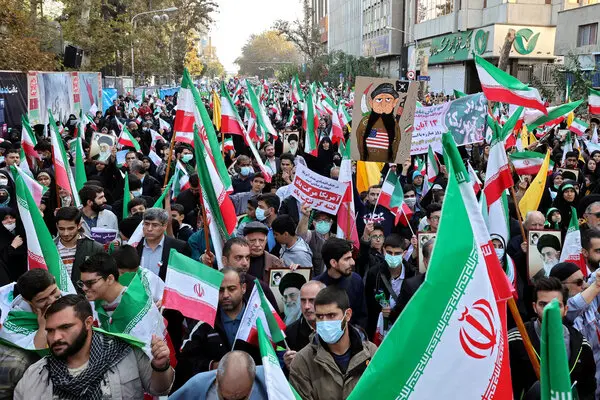
Referring to recent remarks by President Trump, the Iranian envoy said such statements amounted to “explicit calls for regime change, violence and military aggression.” He added that three days ago, millions of Iranians had taken to the streets, he said, to restore calm and uphold law and order.
“People across Iran ignored Mr. Trump’s call for further violence. This is why calm has been re-established,” he said.
However, he warned that Iran would defend itself if attacked.
“However, any act of aggression, direct or indirect, will be met with a decisive, proportionate, and lawful response under Article 51 of the UN Charter.”
Two Iranian dissidents also briefed the Council. Journalist and political dissident Masih Alinejad said that millions of Iranians were seeking “real and concrete action”, against a regime that, she argued, does not understand diplomacy.
Human rights activist and journalist Ahmad Batebi recalled his own arrest as a student protester and condemned Iran’s authorities. He said the message from the state was clear : “When you fight with our regime, it means you fight with God and your punishment is death,” he said.
Iran’s representative rejected the legitimacy of these briefers at the session, saying they did not reflect Iran’s civil society but instead served the political agendas of the United States and Israel.
Speaking on behalf of the United Nations Secretary-General, Martha Ama Akyaa Pobee described the situation in Iran as “highly fluid.” She stressed that all Iranians must be able to express grievances peacefully and without fear, with full respect for freedom of expression.
She called for the restoration of access to information, including lifting the communications blackout, and urged due process, humane treatment of detainees, and an end to executions linked to the protests.
Warning against rhetoric suggesting possible military action, she said,
“This external dimension adds volatility to an already combustible situation,” stressing that every effort must be made to prevent further deterioration.
The unrest, which began around three weeks ago, has left more than 3,000 people dead and thousands detained. While Iranian authorities claim calm has returned to some areas, a state-imposed communications blackout remains in effect.
Several Council members expressed concern over the regional implications of the crisis. Colombia’s delegate said the Council must maintain constant attention on the situation, while Bahrain warned of potential repercussions for regional security and stability.
The representative of Liberia, speaking also for the Democratic Republic of the Congo and Somalia, emphasized that “dialogue, inclusivity and genuine engagement are essential tools for addressing tensions and grievances in a sustainable manner in every society”.
The United Kingdom’s representative said, “Iranian authorities must protect their people, not brutalize them,” adding that “the world is watching.”
Meanwhile, the Russian Federation accused the United States of escalating tensions, arguing that Washington was fueling hysteria around Iran to justify aggression and interference in a sovereign state.