The 2026 escalation between Israel and Lebanon marks a volatile new chapter in a conflict that has evolved from decades of border disputes into a high-stakes proxy battleground.
While the April 17 ceasefire negotiated by President Trump provides a short 10-day window for diplomacy, the situation remains extremely fragile due to its strong links to the broader U.S.-Iran standoff.
The ceasefire functions as a crucial prerequisite for broader peace, however, the continuing U.S. naval blockade and Iran’s shifting control over the Strait of Hormuz indicate that both sides are still applying military pressure to gain leverage at the negotiating table
The Lebanon-Israel War
The Israel-Lebanon conflict originated from decades of border tensions, beginning with the 1948 Arab-Israeli War. It escalated significantly in the late 1970s when the Palestine Liberation Organization (PLO) used southern Lebanon to launch attacks against Israel, leading to Israeli invasions in 1978 and 1982.
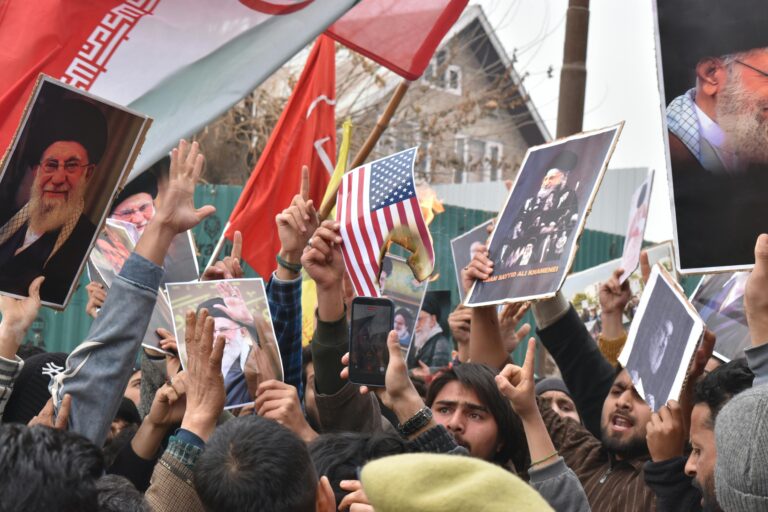
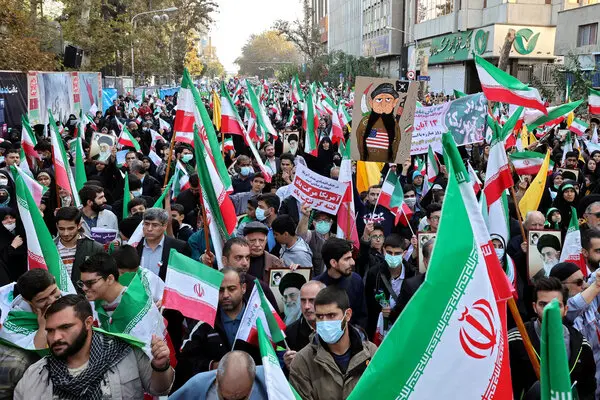
The Israel Lebanon tensions began to intensify from March 2, 2026 when Hezbollah launched projectiles toward Israel from Lebanon in response to the killing of Iranian Supreme Leader Ali Khamenei, prompting retaliatory strikes by the Israeli Defense Forces. The escalation between Israel and Lebanon is rooted in a long-standing conflict centered on border disputes, regional power struggles, and the role of the militant group Hezbollah which emerged in 1982 to fight Israeli occupation
Hezbollah is a powerful Lebanese Shia muslim political party and military group. It is considered one of the most powerful non-state armed groups heavily backed by Iran in the Middle East. Although a 2024 Israeli military campaign against Hezbollah in 2024 weakened the group when Hezbollah’s longtime leader Hassan Nasrallah was killed, this led to Naem Qasim becoming the current leader.
The link between the two conflicts
There’s a close link between the Iran-US war and the Israel-Lebanon conflict because of the strong relationship shared by Iran and Lebanon. Hezbollah is heavily supported and financially backed by Iran and serves as Iran’s primary proxy against Israel.
Hezbollah is the central to this relationship, operating as both a Lebanese political actor and a loyal ally to Tehran’s “Axis of Resistance”. Lebanon provides Iran with a strategic position on Israel’s border, allowing it to threaten northern Israel with rockets and missiles without direct, open conflict with Iran.
The conflict between Iran and the USA began when the assassination of the Supreme leader Ayatollah Khamenei led to the conflict between Israel and Lebanon on March 2, 2026. The regime in Tehran had demanded a ceasefire in Lebanon, stating that talks with the US could not be expected to progress without it.
The Lebanon-Israel Ceasefire
The ceasefire between Israel and Lebanon came into effect at midnight local time on Friday, 17 April 2026. It was brokered by the U.S. President Donald Trump, and the agreement is a 10-day temporary ceasefire aimed at stopping six weeks of intense fighting and creating space for negotiations towards a permanent peace settlement.
While President Trump mentioned it as a “historic day”. He posted on social media stating, “I hope Hezbollah acts nicely and well during this important period of time. It will be a great moment for them if they do”.
Although the Lebanese armed group had opposed the ceasefire talks. On 16 April, 2026, Ali Fayyad, a Hezbollah politician, told Al Jazeera Arabic that the group will approach the newly announced ceasefire with “caution and vigilance”. Despite the ceasefire Israeli military spokesperson Avichay Adraee issued an urgent message to the residents of southern Lebanon , warning them to remain north of the Litani River despite the commencement of the ceasefire.
This ceasefire still remains fragile, as the recent prime example, the Israel-Hezbollah ceasefire that began at 4 a.m. local time on 27 November 2024, aimed at ending over a year of hostilities, was violated many times by Israel.
Impact on the US Iran negotiations
The 10 day Israel Lebanon ceasefire acts as a key component for the de-escalation of the US Iran conflict. On 16 August, 2026, Trump said a deal to end the war on Iran was “very close” and that peace talks may resume with Tehran in Pakistan’s capital Islamabad as early as this weekend.
Iran had announced that the Strait of Hormuz would remain completely open for commercial traffic on April 17, 2026, for a short period during a ceasefire in Lebanon but the strait of Hormuz was closed again by Iran on April 18, 2026, due to the blockade of Iranian ports by the U.S. naval army.
Although Iran and the USA’s negotiations still have a long way to go. Iranian Deputy Foreign Minister Saeed Khatibzadeh stated that no date has been set for a new round of face-to-face talks with the US. Furthermore, President Donald Trump said the naval blockade on Iranian ports will remain in force until there is a deal, and warns Washington will not be “blackmailed” by Tehran.
Israel launches attacks on southern Lebanon despite a ceasefire, and says it has established what it calls a “yellow line”, similar to the one it imposed in Gaza. The yellow line is a military stretch, 10 km north of the border inside Southern Lebanon. The Israeli officials say that they want to keep the zone
under military control and describe it as an effort to root out Hezbollah.
However,the ceasefire sparked hope for peace negotiations between Iran and the USA and between Lebanon and Israel. The ceasefire violations by Israel and Iranian pressure through blockades by the US Navy can worsen the current situation.